

What are the secrets to return to sport after ACL injury
ACL injuries are a common cause of loss of time in sport and for many a key goal is to make a successful return. Physiotherapy guided rehabilitation is essential to achieve these goals. But how can we ensure this return to sport is safe and successful?
Criteria based approach
A criteria based approach should be utilised in rehabilitation, recognising that every individual’s rehab journey is unique. A criteria based approach takes into consideration clinical measures such as swelling, strength, neuromuscular control and functional performance to determine when a patient is ready to progress to the next stage of their rehab.
Previously ACL rehab has utilised a one size fits all approach where progressions were guided by timeframes. Unfortunately it is still a common misconception for patients that they will be running at 3 months and returning to sport at 9-12 months and this is something that should be addressed to ensure expectations are realistic.
Address knee swelling
Managing swelling of the knee joint should be a focus area during the early stages of rehabilitation, regardless of whether the injury is treated operatively or non operatively. Persistent swelling can have a negative effect on the way surrounding structures function, such as the quadriceps. For this reason, achieving a “quiet” knee (one that is well settled with no swelling) is important. By achieving this relatively early during your rehabilitation assists in reducing the risk of complications later in rehab or upon returning to sport.
Load the knee
Get strong! The early phases of ACL rehabilitation have a large focus on restoring range of motion, muscle activation and swelling management. However as it progresses, so should the intensity and the complexity of exercises. Rehabilitation should gradually shift toward exercises that are more challenging and allow patients to reach the strength goals needed for return to sport. This is a critical part of the ACL rehab journey to minimise altered functions of the knee and reduce the risk of re-injury.
Time
ACL rehab takes time and for good reason. Firstly, the ACL graft is going through continuous remodelling to replicate the structure and strength of an intact ACL. The endpoint of this process is not clear and it may continue to undergo remodelling for as long as 1-2 years. Secondly, restoring strength and performance takes time, there is no shortcuts. It takes dedication and consistency to reach these goals. Recent evidence has highlighted the positive effects that delayed return to sport has on reinjury rate. For every month that return to play is delayed after 8 months post op, the risk of re-injury decreased by 28% (Bodkin, 2022).
References
Bodkin, S. G., Hertel, J., Diduch, D. R., Saliba, S. A., Novicoff, W. M., Brockmeier, S. F., … & Hart, J. M. (2022). Predicting anterior cruciate ligament reinjury from return-to-activity assessments at 6 months post surgery: a prospective cohort study. Journal of athletic training, 57(4), 325-333.
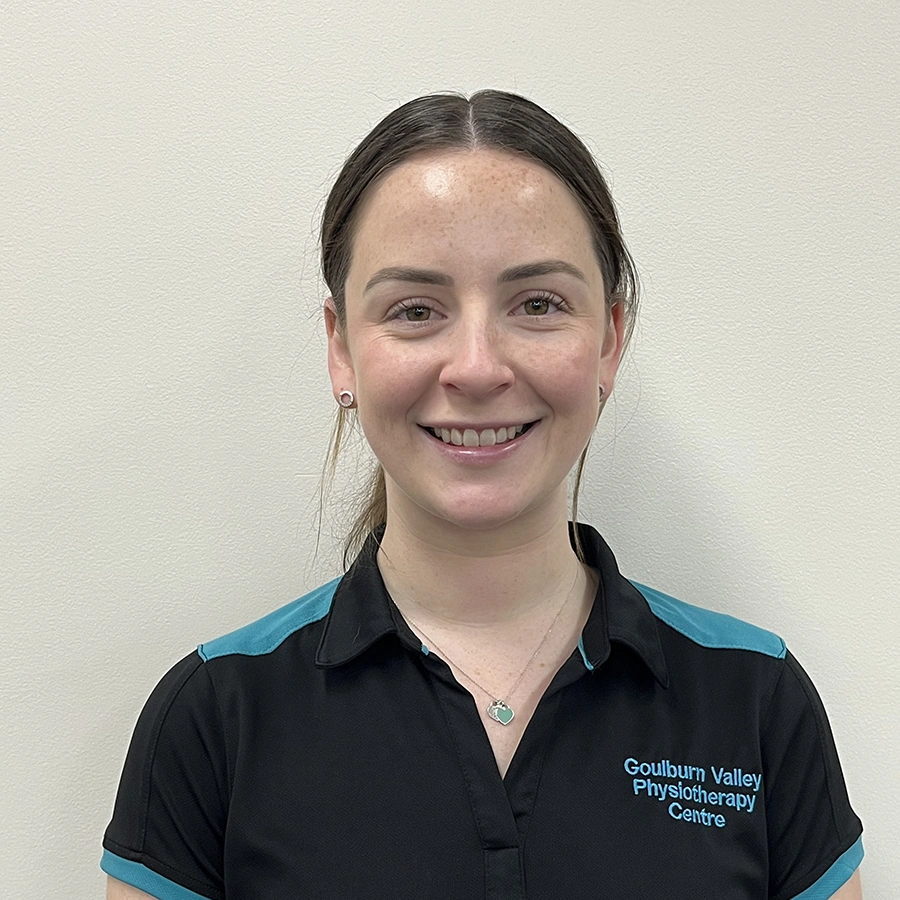
Written by
Jessica Bell
Jess grew up in the Goulburn Valley and after graduating from La Trobe University in 2023 with a Masters of Physiotherapy Practice, she returned to her home town and sees a wide range of patients.